How to Choose the Right Motorcycle Parts for Your Bike
News Details
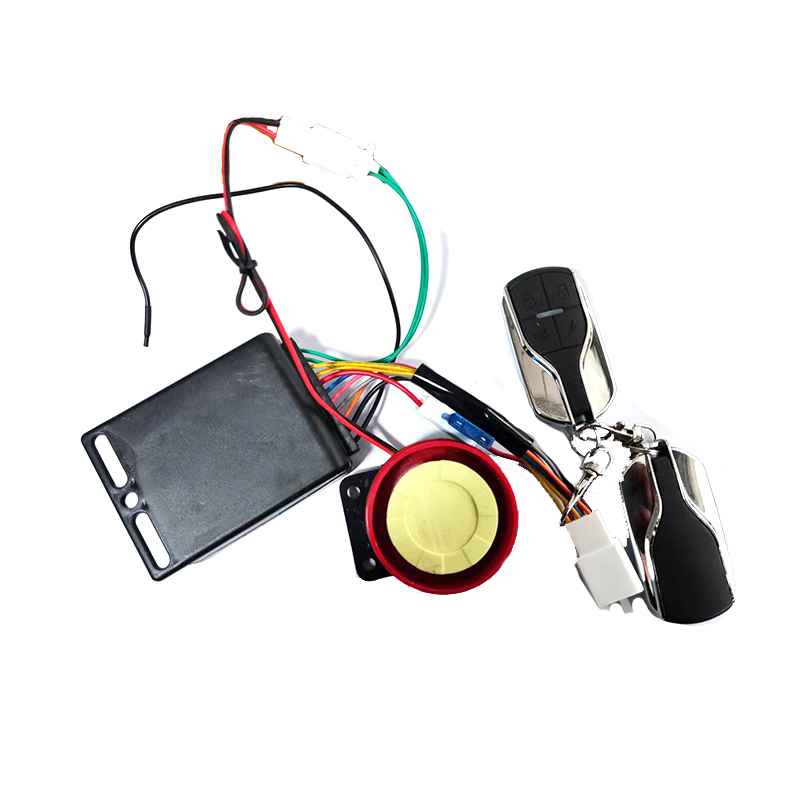
Choosing the right motorcycle parts is important for safe riding, good performance, and long-term use. However, with so many parts on the market, it can be hard to know which one fits your bike.
From brake parts and engine parts to body parts and electrical parts, each component has a specific role. Therefore, you should check several key points before you buy.
This guide explains how to choose the right motorcycle parts for your bike. It also covers fit, quality, materials, riding needs, and other factors that can help you make a better choice.
Check Your Motorcycle Model Before Choosing Motorcycle Parts
The first step is to know your motorcycle clearly. Different models can use different parts, even when they look similar.
Before ordering motorcycle parts, check:
- Motorcycle brand
- Model name
- Model year
- Engine size
- Engine type
- Part number
- Original equipment specifications
In addition, some motorcycles have different versions for different markets. As a result, a part that fits one version may not fit another.
If possible, use the original part number when searching for a replacement. This can reduce the risk of choosing the wrong component.
Choose Motorcycle Parts Based on the Exact Fit
Fit is one of the most important factors when buying motorcycle parts. A part may look correct but still have different dimensions or mounting points.
For example, brake pads, clutch parts, filters, sprockets, and electrical components can have very specific size requirements.
Before purchasing, compare:
- Overall dimensions
- Mounting holes
- Thread size
- Connector type
- Material thickness
- Shape and structure
- OEM or replacement part number
Furthermore, check the product fitment list carefully. A clear fitment guide can help you confirm whether the motorcycle part is designed for your bike.
Consider the Quality of Motorcycle Parts
Price is important, but it should not be the only factor. Motorcycle parts can affect safety, handling, and vehicle performance. Therefore, quality should always be part of your decision.
High-quality motorcycle parts usually have consistent dimensions, suitable materials, and stable manufacturing quality. They should also be designed for the working conditions of the motorcycle.
For critical parts, such as brake components, steering parts, suspension components, and engine parts, choosing a reliable product is especially important.
At the same time, avoid choosing a part only because it has the lowest price. A low-cost part may not always provide the same service life or performance as a properly made component.
Select Motorcycle Parts for Your Riding Needs
The right motorcycle parts also depend on how you use your bike.
For example, daily commuters may focus on durability, comfort, and easy maintenance. Riders who travel long distances may need parts that can handle extended use. Meanwhile, off-road riders may need components designed for rough roads and more demanding conditions.
Consider your riding needs, such as:
- Daily commuting
- Long-distance travel
- Touring
- Off-road riding
- Racing or track use
- Motorcycle modification
- General maintenance
As a result, the best motorcycle part is not always the most expensive one. Instead, it should match your motorcycle and your actual riding conditions.
Compare OEM and Aftermarket Motorcycle Parts
When replacing a motorcycle component, you will often need to choose between OEM and aftermarket motorcycle parts.
OEM parts are made according to the original manufacturer's specifications. They are often a direct replacement for the original component.
Aftermarket motorcycle parts are produced by other manufacturers. They can offer more choices in price, design, materials, and performance.
Both options can be useful. However, you should compare the following before making a choice:
- Fit and compatibility
- Product quality
- Material
- Expected service life
- Warranty
- Price
- Manufacturer reputation
Most importantly, make sure the aftermarket part is designed for your specific motorcycle.
Check the Material of Motorcycle Parts
Material can have a direct effect on motorcycle part performance and service life.
For example, steel is often used for parts that need high strength and wear resistance. Aluminum is useful when low weight and corrosion resistance are important. Rubber and plastic are also widely used for seals, covers, grips, and other components.
Therefore, check the material information before buying.
You should also consider the environment where the motorcycle is used. Frequent rain, high humidity, dust, heat, and rough roads can place more stress on certain parts.
Think About Motorcycle Parts and Safety
Some motorcycle parts have a direct connection to riding safety. These parts deserve extra attention.
Brake pads, brake discs, tires, suspension components, steering parts, lights, and other safety-related components should meet suitable specifications for your motorcycle.
Do not change the size or design of a safety-critical part without checking compatibility. A part that does not match the motorcycle may affect braking, handling, or stability.
Therefore, when choosing safety-related motorcycle parts, focus on correct fit and reliable quality rather than appearance alone.
Check Motorcycle Part Certifications and Standards
Depending on the part and market, certain motorcycle components may need to meet specific standards or certification requirements.
Before purchasing, check whether the manufacturer provides relevant product information, test data, or certification documents.
This is especially useful when buying motorcycle parts for commercial use, professional repair shops, or export markets.
Clear technical information can also make it easier to compare products from different suppliers.
Compare Motorcycle Parts From Reliable Suppliers
The supplier is another important part of the buying process. A reliable motorcycle parts supplier should provide clear product information and accurate fitment details.
Before placing an order, check:
- Product specifications
- Part numbers
- Fitment information
- Material details
- Quality control process
- Production capacity
- Warranty policy
- Customer support
For wholesale or bulk orders, you should also ask about minimum order quantities, packaging, lead times, and customization options.
In addition, working with a supplier that understands motorcycle applications can make product selection easier.
Avoid Common Motorcycle Parts Buying Mistakes
Many motorcycle parts problems come from simple mistakes. Fortunately, most can be avoided with a few checks.
First, do not buy a part based only on a product photo. Similar-looking parts can have different sizes or mounting designs.
Second, do not ignore the motorcycle model year. Manufacturers may change components between different model years.
Third, do not focus only on price. A cheaper part may not provide the expected service life.
Finally, do not skip product specifications. Always compare the technical information with your original part or motorcycle requirements.
Choose the Right Motorcycle Parts With a Simple Checklist
Before buying motorcycle parts, you can use this simple checklist:
- Confirm the motorcycle brand and model.
- Check the model year and engine size.
- Find the original part number when possible.
- Compare dimensions and mounting points.
- Check materials and product specifications.
- Consider your riding conditions.
- Compare OEM and aftermarket options.
- Check quality information and certifications.
- Choose a reliable motorcycle parts supplier.
- Confirm compatibility before placing the order.
By following these steps, you can reduce the chance of buying an unsuitable part.
Conclusion: Make a Careful Choice When Buying Motorcycle Parts
Choosing the right motorcycle parts does not have to be difficult. The key is to focus on compatibility, quality, materials, riding needs, and supplier reliability.
First, identify your motorcycle correctly. Then, check the part number and specifications. Next, compare different products based on fit, quality, and intended use. Finally, choose a supplier that can provide clear information and dependable support.
With the right approach, you can find motorcycle parts that fit your bike properly and support safe, reliable, and long-term riding.


