What Are the Most Common Types of Motorcycle Parts?
News Details
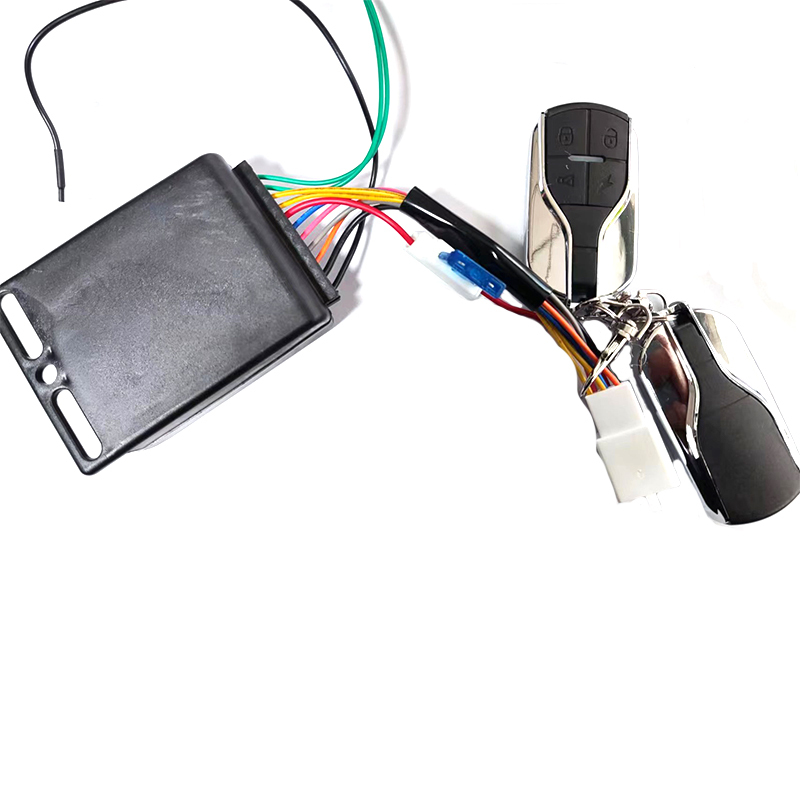
Motorcycles use many parts to provide power, control, comfort, and safety. Each motorcycle part has a specific job. Some parts help the engine run, while others support braking, steering, suspension, or electrical systems.
For motorcycle owners, repair shops, dealers, and parts buyers, knowing the common types of motorcycle parts makes maintenance easier. It also helps when choosing replacement parts or upgrading a motorcycle.
In this article, we will look at the most common motorcycle parts and explain what each type does.
Engine Motorcycle Parts
The engine is the main power source of a motorcycle. Therefore, engine parts are some of the most important motorcycle components.
Common engine motorcycle parts include pistons, cylinder heads, cylinders, crankshafts, camshafts, valves, connecting rods, and gaskets.
The piston moves inside the cylinder and helps create power. The crankshaft then changes this movement into rotating power. At the same time, valves control the flow of air and fuel into the engine and exhaust gases out of it.
Because engine parts work under high heat and pressure, they need to be strong and properly matched to the motorcycle model.
Motorcycle Transmission Parts
The transmission transfers engine power to the rear wheel. It allows the rider to select different gears based on speed and riding conditions.
Common motorcycle transmission parts include gears, shafts, bearings, shift forks, and clutch components.
The clutch is especially important. It connects and disconnects the engine from the transmission. As a result, the rider can change gears smoothly.
When transmission parts wear out, riders may notice hard shifting, unusual noise, or gear slipping. Replacing worn parts can help restore smooth operation.
Motorcycle Brake Parts
Braking parts are essential for motorcycle safety and control. They help riders slow down or stop the motorcycle.
Common motorcycle brake parts include brake pads, brake discs, brake calipers, brake lines, master cylinders, and brake levers.
Disc brakes are widely used on modern motorcycles. When the rider presses the brake lever, the caliper pushes the brake pads against the brake disc. This creates friction and slows the wheel.
However, brake parts wear over time. Therefore, regular inspection is important. Brake pads, discs, and brake fluid should be checked according to the motorcycle manufacturer's maintenance schedule.
Motorcycle Suspension Parts
Suspension parts help the motorcycle handle bumps and uneven roads. They also improve riding comfort and wheel control.
Common motorcycle suspension parts include front forks, rear shocks, springs, bushings, and related mounting parts.
The front fork supports the front wheel and absorbs road impact. Meanwhile, the rear shock helps control movement at the back of the motorcycle.
Good suspension parts can improve stability and handling. For this reason, they are important for both daily riding and performance motorcycles.
Motorcycle Steering and Handlebar Parts
Steering parts allow the rider to control the direction of the motorcycle.
Typical motorcycle steering parts include handlebars, steering stems, bearings, clamps, grips, and control levers.
The handlebars connect the rider's input to the front steering system. In addition, the grips provide a firm and comfortable place for the rider to hold.
Other handlebar components include the throttle, clutch lever, brake lever, switches, and mirrors. Together, these parts give the rider better control of the motorcycle.
Motorcycle Electrical Parts
Modern motorcycles depend on electrical parts for starting, lighting, control, and other functions.
Common motorcycle electrical parts include batteries, starters, alternators, ignition coils, spark plugs, relays, fuses, sensors, and wiring harnesses.
The battery supplies electrical power when the motorcycle starts and when certain electrical systems are operating. The charging system then helps keep the battery charged while the engine runs.
Meanwhile, sensors and electronic control units help manage modern engine and vehicle systems. As motorcycles become more advanced, electrical parts are becoming even more important.
Motorcycle Fuel System Parts
The fuel system supplies the engine with the fuel it needs to produce power.
Common motorcycle fuel system parts include fuel tanks, fuel pumps, fuel injectors, carburetors, fuel filters, fuel lines, and related seals.
Older motorcycles may use carburetors to mix fuel and air. In contrast, many modern motorcycles use electronic fuel injection.
A clean and properly working fuel system can support stable engine operation. Therefore, fuel filters, injectors, and fuel lines should be inspected when fuel delivery problems occur.
Motorcycle Exhaust Parts
The exhaust system removes gases produced during combustion. It also helps control noise and emissions.
Common motorcycle exhaust parts include exhaust headers, pipes, mufflers, catalytic converters, gaskets, and mounting brackets.
Different exhaust systems can have different designs. Some focus on noise control, while others are designed for specific performance or weight requirements.
However, exhaust parts must be suitable for the motorcycle and local regulations. A proper fit is also important to prevent leaks and vibration.
Motorcycle Body and Exterior Parts
Body parts protect components and give a motorcycle its appearance.
Common motorcycle exterior parts include fairings, fenders, side covers, fuel tank covers, seats, windshields, and rear panels.
Fairings can help protect internal components and may also improve airflow. Fenders help reduce water and dirt from reaching the rider and motorcycle.
Because exterior parts can be damaged during falls or daily use, replacement body parts are common motorcycle repair products.
Motorcycle Wheels and Tire Parts
Wheels and tires are the main contact points between a motorcycle and the road. Therefore, they have a direct effect on riding stability and control.
Common wheel and tire parts include rims, spokes, wheel hubs, bearings, tires, inner tubes, and valves.
Some motorcycles use tubeless tires, while others use tube-type tires. The correct tire size and specification should always match the motorcycle.
In addition, tire pressure should be checked regularly. Proper tire maintenance helps support safe and stable riding.
Motorcycle Drive Parts
Drive parts transfer power from the transmission to the rear wheel.
Common motorcycle drive parts include chains, sprockets, drive belts, pulleys, and shafts. The exact system depends on the motorcycle design.
Chain drive systems are common because they are simple and efficient. However, the chain needs regular cleaning, lubrication, and tension checks.
A worn chain or sprocket can affect power transfer. Therefore, both should be inspected and replaced when necessary.
Motorcycle Control and Safety Parts
Motorcycles also contain many smaller parts that improve control and rider safety.
These include foot pegs, pedals, mirrors, stands, levers, switches, lights, reflectors, and other control components.
Although these parts may be smaller, they still play an important role. For example, mirrors improve visibility, while lights help the rider see and be seen.
As a result, these motorcycle parts should not be ignored during routine maintenance.
How to Choose the Right Motorcycle Parts
Choosing the right motorcycle parts is important for proper fit and reliable performance.
First, check the motorcycle brand, model, year, and engine size. Next, confirm the original part number or the required specifications.
It is also important to consider material quality and manufacturing standards. For safety-related parts such as brakes, suspension components, and steering parts, quality should be a key consideration.
In addition, buyers should work with reliable motorcycle parts suppliers. A professional supplier can provide product information, fitment details, and technical support.
Why Motorcycle Parts Quality Matters
Motorcycle parts work together as one system. Therefore, one poor-quality component can affect other parts or the overall riding experience.
High-quality parts are usually designed to meet specific size, material, and performance requirements. They can also provide more consistent fit and service life when properly selected and installed.
For motorcycle manufacturers, distributors, repair shops, and parts dealers, reliable motorcycle parts can help reduce fitting problems and maintenance costs.
Conclusion: Understanding Common Motorcycle Parts
There are many types of motorcycle parts, from engine and transmission components to brakes, suspension, electrical systems, wheels, and body parts.
Each component has a different role. At the same time, they work together to provide power, control, comfort, and safety.
By understanding the most common motorcycle parts, buyers can make better choices when repairing, maintaining, or upgrading a motorcycle. Most importantly, always select parts that match the motorcycle's specifications and follow proper installation and maintenance practices.


