What Motorcycle Parts Should You Replace Regularly?
News Details
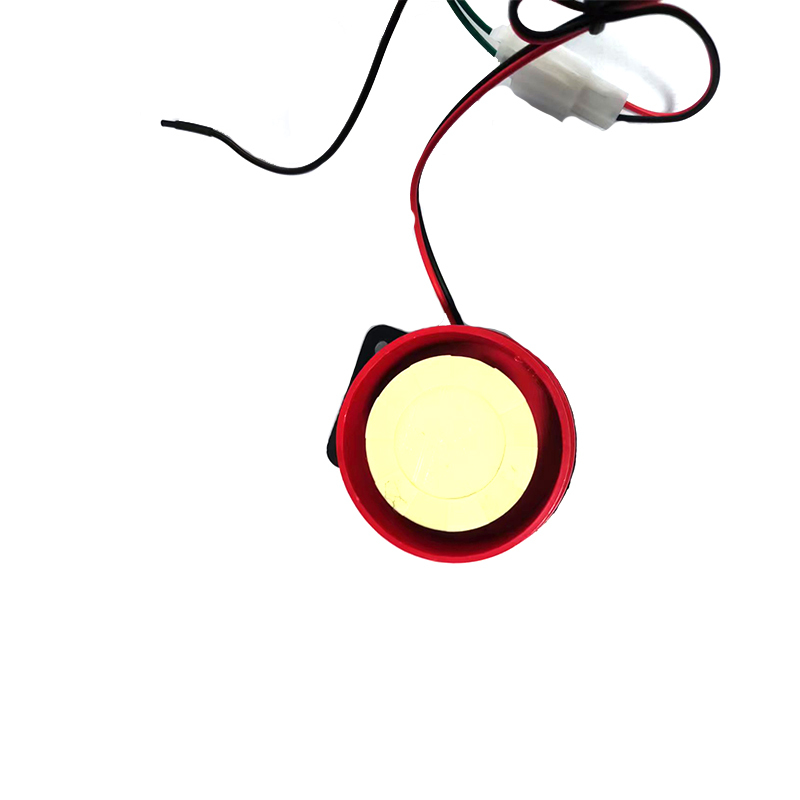
Motorcycles need regular care to stay safe, smooth, and reliable. While some parts can last for years, others wear out faster because they face heat, friction, dirt, water, and daily use. Therefore, knowing which motorcycle parts to replace regularly can help prevent breakdowns and keep your motorcycle in good condition.
The right replacement time depends on the motorcycle model, riding style, road conditions, mileage, and part quality. However, several motorcycle parts need regular inspection and replacement on most bikes.
Motorcycle Oil and Oil Filters Need Regular Replacement
Engine oil is one of the most important maintenance items on a motorcycle. It helps reduce friction, control heat, and protect moving engine parts.
Over time, engine oil becomes dirty and loses some of its ability to protect the engine. Therefore, riders should change the oil based on the motorcycle manufacturer's service schedule.
At the same time, the oil filter should usually be replaced with the engine oil. A clean filter helps remove dirt and metal particles from the oil.
Regular oil and filter changes can help:
- Reduce engine wear
- Keep engine parts lubricated
- Control engine heat
- Support smooth engine operation
- Extend engine life
Because different motorcycles use different oil types and service intervals, always check the owner's manual before replacement.
Motorcycle Air Filters Should Be Checked and Replaced
The engine needs clean air to work properly. The motorcycle air filter helps stop dust, dirt, and other particles from entering the engine.
A dirty air filter can reduce airflow. As a result, the engine may run less smoothly and use more fuel. In severe cases, dirt can enter the engine and increase wear.
Air filter replacement depends on the riding environment. For example, motorcycles used on dusty roads may need more frequent air filter service than motorcycles used mainly on clean city roads.
A simple inspection can help you decide when replacement is needed. If the filter is heavily dirty, damaged, or clogged, replacing it is often the better choice.
Motorcycle Brake Pads Are Key Safety Parts
Brake pads are wear parts that should be checked regularly. Each time you use the brakes, the pads press against the brake disc and gradually become thinner.
When brake pads become too thin, braking performance can decrease. You may also notice unusual sounds, longer stopping distances, or changes in brake feel.
However, you should not wait for serious symptoms before checking them. Regular inspection helps identify wear early.
When replacing motorcycle brake pads, pay attention to:
- Pad thickness
- Brake disc condition
- Brake fluid condition
- Uneven wear
- Unusual brake noise
Using suitable replacement parts is also important because brake components directly affect motorcycle safety.
Motorcycle Tires Need Regular Replacement
Motorcycle tires are another important part that should not be ignored. Unlike some engine parts, tires have a direct effect on grip, braking, steering, and road handling.
Tires can wear because of mileage, road surfaces, riding habits, heat, and weather. Even if the tread still looks acceptable, an old tire may become harder and less flexible.
Check your motorcycle tires regularly for:
- Low tread depth
- Cracks
- Cuts
- Uneven wear
- Bulges
- Abnormal tire pressure
If a tire is damaged or has reached the replacement limit set by the manufacturer, it should be replaced. In addition, always use the correct tire size and specification for your motorcycle.
Motorcycle Chains and Sprockets Wear Over Time
For motorcycles with chain drive systems, the drive chain and sprockets need regular inspection. The chain transfers engine power to the rear wheel, so its condition has a direct effect on power delivery.
A motorcycle chain can stretch and wear over time. At the same time, the teeth on the front and rear sprockets can become worn.
Signs of chain or sprocket wear may include:
- Excessive chain slack
- Rust or damaged chain links
- Uneven chain movement
- Worn sprocket teeth
- Noise during riding
Chain cleaning and lubrication can help reduce wear. However, maintenance cannot stop wear forever. When the chain or sprockets reach the end of their service life, replacement is necessary.
In many cases, replacing the chain and sprockets together is a practical choice because they wear as a system.
Motorcycle Brake Fluid Should Be Replaced Periodically
Brake fluid is often overlooked because it does not look like a traditional wear part. However, it plays an important role in hydraulic braking systems.
Brake fluid can absorb moisture over time. This can affect brake performance, especially when the braking system becomes hot.
For this reason, riders should follow the motorcycle manufacturer's recommended brake fluid replacement schedule.
When servicing the brake system, also check for leaks, damaged hoses, and changes in brake feel. Use only the brake fluid type specified for the motorcycle.
Motorcycle Spark Plugs Need Regular Inspection
For gasoline motorcycles, spark plugs help ignite the air-fuel mixture inside the engine. They are small parts, but they have an important role in engine performance.
Spark plugs become worn as they are used. Dirt, carbon buildup, and incorrect engine conditions can also affect their performance.
A worn spark plug may cause:
- Hard starting
- Rough idling
- Poor acceleration
- Higher fuel use
- Engine misfires
Spark plug service intervals vary by motorcycle and plug type. Therefore, check the manufacturer's recommended mileage before replacing them.
Motorcycle Batteries Have a Limited Service Life
The motorcycle battery supplies electrical power for starting and other electrical systems. Batteries naturally lose performance as they age.
A weak battery may cause slow starting or electrical problems. Cold weather and long periods without riding can also affect battery performance.
Before replacing a battery, check the charging system as well. A problem with the charging system can make a new battery lose power quickly.
For replacement, choose a battery with the correct voltage, size, capacity, and terminal layout for the motorcycle.
Motorcycle Cables and Controls Need Regular Checks
Motorcycle control cables, such as clutch and throttle cables on applicable models, can wear with use. They may become stiff, frayed, or damaged.
A throttle should move smoothly and return properly. Likewise, a clutch cable should provide smooth operation without excessive resistance.
If a cable shows signs of damage, it should be replaced rather than ignored. A small cable problem can become a larger control issue if it fails while riding.
Some newer motorcycles use electronic controls instead of traditional cables, so maintenance requirements depend on the motorcycle design.
Motorcycle Suspension Parts May Need Replacement
Suspension components do not always have a simple replacement interval. Still, they should be inspected as the motorcycle gets older or accumulates more mileage.
Fork seals, rear shocks, bushings, and related parts can wear over time. Oil leaks around the fork seals, poor damping, unusual movement, or changes in handling can indicate a suspension problem.
Replacing worn motorcycle suspension parts can help restore proper handling and ride comfort.
However, suspension service should be based on the motorcycle's condition and the manufacturer's maintenance recommendations.
Motorcycle Bearings Should Be Inspected for Wear
Wheel bearings, steering-head bearings, and other bearings support smooth movement. Although they can last a long time, they are still wear parts.
Dirt, water, heavy loads, poor maintenance, and high mileage can affect bearing life.
During regular motorcycle service, technicians can check for:
- Unusual play
- Rough movement
- Grinding sounds
- Corrosion
- Abnormal vibration
If a bearing is damaged or worn, replacing it early can help prevent further problems.
When Should You Replace Motorcycle Parts?
There is no single replacement schedule for every motorcycle. Instead, replacement should be based on time, mileage, condition, and manufacturer recommendations.
A simple maintenance approach is to check your motorcycle regularly and record important service work.
| Motorcycle Part | Why It Wears | Replacement Approach |
|---|---|---|
| Engine oil | Heat and contamination | Follow service interval |
| Oil filter | Collects contaminants | Usually with oil change |
| Air filter | Dust and dirt | Inspect and replace when dirty |
| Brake pads | Friction | Replace when worn |
| Tires | Road contact and age | Replace when worn or damaged |
| Chain | Friction and load | Inspect and replace when worn |
| Sprockets | Chain contact | Replace when teeth are worn |
| Brake fluid | Moisture absorption | Follow service schedule |
| Spark plugs | Heat and engine use | Follow plug service interval |
| Battery | Age and charging cycles | Replace when performance drops |
How to Choose Replacement Motorcycle Parts
When replacing motorcycle parts, compatibility should come first. A part that looks similar may not work correctly on a specific motorcycle.
Before buying a replacement part, check:
- Motorcycle make and model
- Model year
- Engine type
- Original part number
- Part dimensions
- Technical specifications
- Manufacturer requirements
For important systems such as brakes, tires, suspension, and engine components, choosing the correct specification is especially important.
Quality also matters. Low-quality parts may wear faster or provide inconsistent performance. Therefore, it is better to choose motorcycle parts from reliable manufacturers and suppliers.
Regular Motorcycle Parts Replacement Helps Prevent Problems
Regular replacement is an important part of motorcycle maintenance. However, not every part needs to be changed at the same time.
Instead, inspect the motorcycle regularly and replace parts when they reach their service limit or show clear signs of wear. In addition, follow the maintenance schedule in the owner's manual.
By paying attention to motorcycle oil, filters, brake pads, tires, chains, spark plugs, batteries, and other wear parts, riders can reduce unexpected problems and keep their motorcycles working safely and smoothly.


