How to Choose Motorcycle Parts for Different Bike Models
News Details
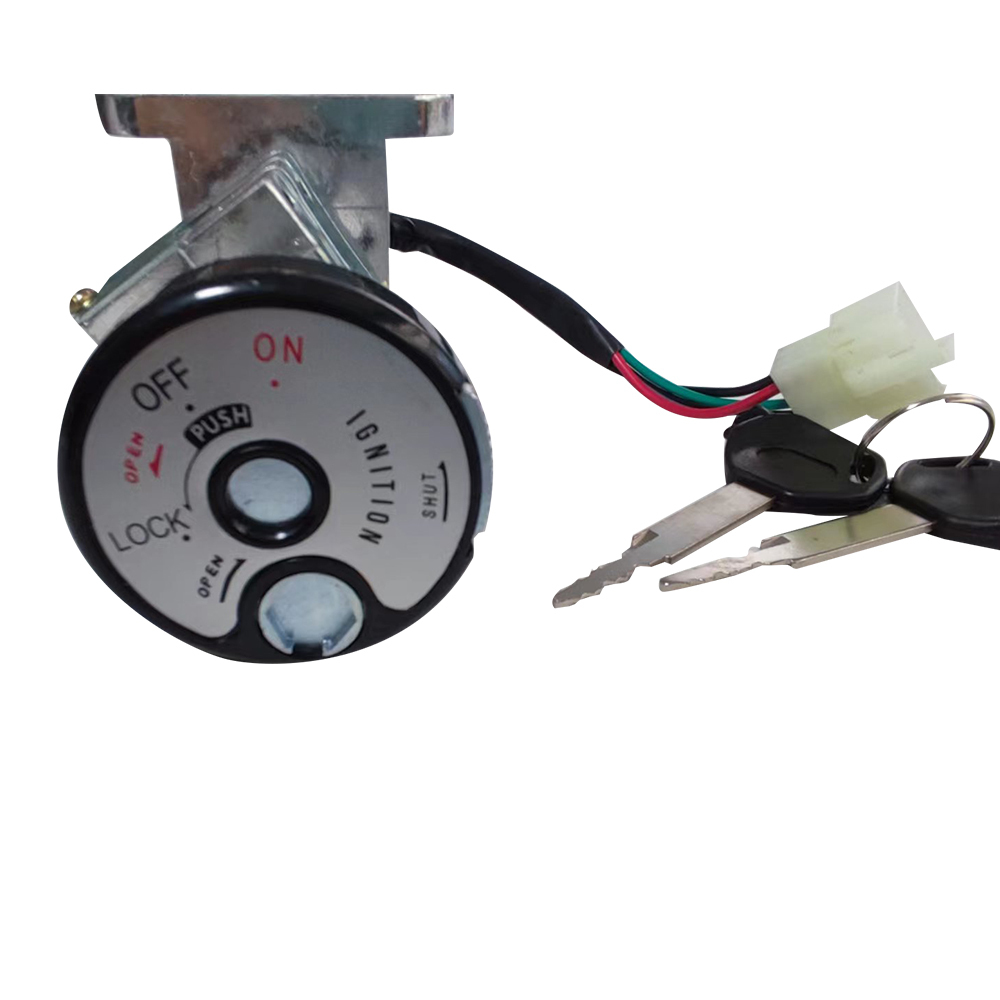
Choosing the right motorcycle parts is important for safe riding, smooth performance, and long-term use. However, not every motorcycle part fits every bike. Different motorcycle models can have different engine sizes, frame designs, mounting points, electrical systems, and part specifications.
Therefore, before buying motorcycle parts, riders and repair shops should check the bike model, year, engine type, and original part details. This simple step can help avoid poor fit, extra costs, and installation problems.
This guide explains how to choose motorcycle parts for different bike models and what to check before placing an order.
Check the Motorcycle Model and Year Before Buying Parts
The first step is to identify the exact motorcycle model. Even motorcycles from the same brand may use different parts.
For example, a manufacturer may update a motorcycle model after several years. The new version may have changes to the engine, brakes, suspension, lights, or electrical system. As a result, a part made for an older model may not fit the newer version.
Before choosing motorcycle parts, check:
- Motorcycle brand
- Model name
- Model year
- Engine size
- Engine type
- Vehicle identification number (VIN), when available
- Original part number
In addition, check the motorcycle owner's manual or the original part label. These details make it easier to find compatible motorcycle replacement parts.
Match Motorcycle Parts With the Engine Type
The engine is one of the most important factors when choosing motorcycle parts. Motorcycles with different engine sizes often require different components.
For example, a 125cc commuter motorcycle may use different engine parts from a 300cc or 600cc motorcycle. Even when two bikes have similar body designs, their engine components may not be interchangeable.
When selecting engine-related motorcycle parts, check specifications such as:
- Engine displacement
- Cylinder type
- Cooling method
- Fuel system
- Engine generation
- Manufacturer part number
For engine parts, a small difference in size or design can affect performance. Therefore, avoid choosing a part only because it looks similar to the original component.
Choose Motorcycle Brake Parts by Model and Specification
Brake parts directly affect riding safety. Therefore, compatibility should be checked carefully.
Common motorcycle brake parts include brake pads, brake discs, brake calipers, brake levers, brake hoses, and master cylinders. These parts can vary based on motorcycle model, wheel size, braking system, and year.
For example, some motorcycles use single-disc brakes, while others use dual-disc systems. Similarly, brake pads can have different shapes, sizes, and mounting designs.
When buying motorcycle brake parts, compare:
- Brake disc diameter
- Disc thickness
- Pad shape
- Caliper type
- Mounting position
- Original part number
In addition, make sure the replacement part meets the required quality and safety standards.
Select Motorcycle Suspension Parts for the Right Bike
Suspension parts help control comfort, handling, and stability. However, motorcycle suspension systems can differ greatly between models.
Common suspension parts include front forks, rear shocks, fork seals, springs, and related mounting components.
Before selecting suspension parts, check the motorcycle's:
- Front fork size
- Rear shock length
- Mounting points
- Spring rate
- Suspension travel
- Rider and load requirements
For example, a lightweight street motorcycle may need different suspension parts from a heavy touring motorcycle. Likewise, off-road motorcycles often use suspension systems designed for longer travel and rough terrain.
Therefore, choosing motorcycle suspension parts based on the exact bike model is usually safer than selecting parts based only on appearance.
Check Motorcycle Electrical Parts Carefully
Modern motorcycles use many electrical components. These include batteries, ignition coils, regulators, rectifiers, switches, sensors, lighting systems, and wiring components.
Electrical motorcycle parts can look similar while having different voltage, current, connectors, or wiring layouts. Therefore, visual comparison alone is not enough.
Before buying electrical parts, check:
- Voltage
- Current rating
- Connector type
- Wire position
- Mounting method
- Original part number
- Compatibility with the motorcycle's electrical system
For LED lights and other accessories, also check power requirements. This can help prevent electrical faults and installation problems.
Match Motorcycle Body Parts by Mounting Points
Body parts are often easier to compare because their shape is visible. However, appearance does not always mean compatibility.
Motorcycle body parts can include:
- Fairings
- Side covers
- Fenders
- Fuel tank covers
- Windshields
- Seats
- Rear panels
- Motorcycle mirrors
When selecting body parts, check the mounting holes, clips, brackets, dimensions, and overall shape.
Also, some motorcycle models have different versions for different markets. Therefore, it is useful to confirm the exact model and production year before ordering.
Consider OEM and Aftermarket Motorcycle Parts
Motorcycle replacement parts can generally be divided into OEM and aftermarket options.
OEM parts are made for a specific motorcycle manufacturer or supplied through its original parts system. They are usually selected according to the original design and specifications.
Aftermarket motorcycle parts are produced by other manufacturers. They may offer more choices in materials, designs, performance features, and prices.
Neither option should be selected only by price. Instead, compare:
- Compatibility
- Material
- Dimensions
- Product quality
- Certifications
- Warranty
- Supplier experience
- Installation requirements
For common replacement parts, a well-made aftermarket component may be suitable. For critical components, however, buyers should pay closer attention to specifications and quality control.
Check Motorcycle Part Numbers Before Ordering
Part numbers are one of the easiest ways to confirm compatibility.
A motorcycle manufacturer may use a unique number for a specific component. If the number on the original part matches the supplier's product information, it can make the selection process much easier.
However, part numbers can sometimes change because of product updates or replacement versions. Therefore, buyers should also check whether the supplier lists compatible models and years.
When working with a motorcycle parts supplier, provide the original part number whenever possible. This gives the supplier more information and reduces the chance of receiving the wrong component.
Consider Motorcycle Riding Conditions and Use
The right motorcycle parts also depend on how the bike is used.
For example, a motorcycle used mainly for city commuting may have different needs from one used for long-distance touring. Off-road motorcycles also require parts that can handle rough roads, dust, mud, and repeated impact.
Consider the riding environment:
- City roads
- Highways
- Long-distance touring
- Off-road trails
- Racing tracks
- Heavy-load use
In addition, consider riding frequency and load. These factors can affect the choice of tires, brake parts, suspension components, chains, sprockets, and other motorcycle replacement parts.
Compare Motorcycle Parts From Reliable Suppliers
After confirming compatibility, the next step is to compare suppliers.
A reliable motorcycle parts supplier should provide clear product information. This may include dimensions, materials, model compatibility, part numbers, photos, installation details, and quality standards.
For wholesale or OEM buyers, it is also useful to ask about:
- Minimum order quantity
- Custom packaging
- OEM and ODM services
- Production capacity
- Quality inspection
- Sample orders
- Delivery time
- Warranty and after-sales service
Furthermore, clear communication can help reduce mistakes when ordering motorcycle parts for several bike models.
Create a Motorcycle Parts Compatibility List
If you regularly purchase parts for different motorcycles, a compatibility list can save time.
The list can include the motorcycle model, year, engine size, original part number, replacement part number, and supplier information.
For example:
Motorcycle InformationPart InformationBrand and modelPart nameModel yearOriginal part numberEngine sizeReplacement part numberEngine typeDimensionsApplicationCompatible models
This method makes it easier to compare products and identify suitable motorcycle parts for each bike model.
Avoid Common Motorcycle Parts Selection Mistakes
Several common mistakes can lead to poor fit or unnecessary costs.
First, do not choose a part based only on appearance. Two parts may look almost identical but have different dimensions or mounting systems.
Second, do not ignore the motorcycle model year. A small model update can change important components.
Third, do not focus only on price. A low-cost part may not offer the required quality or service life.
Finally, do not skip compatibility checks when ordering in bulk. A small selection mistake can become a larger problem when many units are involved.
Choose the Right Motorcycle Parts With a Clear Process
Choosing motorcycle parts does not have to be difficult. Start by confirming the motorcycle brand, model, year, and engine type. Then check the original part number and technical specifications.
Next, compare dimensions, mounting points, materials, and compatibility. After that, consider the motorcycle's riding conditions and the supplier's product quality.
Most importantly, do not assume that one motorcycle part can fit several models just because the parts look similar. Careful checking can help improve fit, reduce installation problems, and support better motorcycle performance.
With a clear selection process, riders, repair shops, distributors, and motorcycle manufacturers can find suitable motorcycle parts for different bike models more efficiently.


