OEM vs Aftermarket Motorcycle Parts: What Is the Difference?
News Details
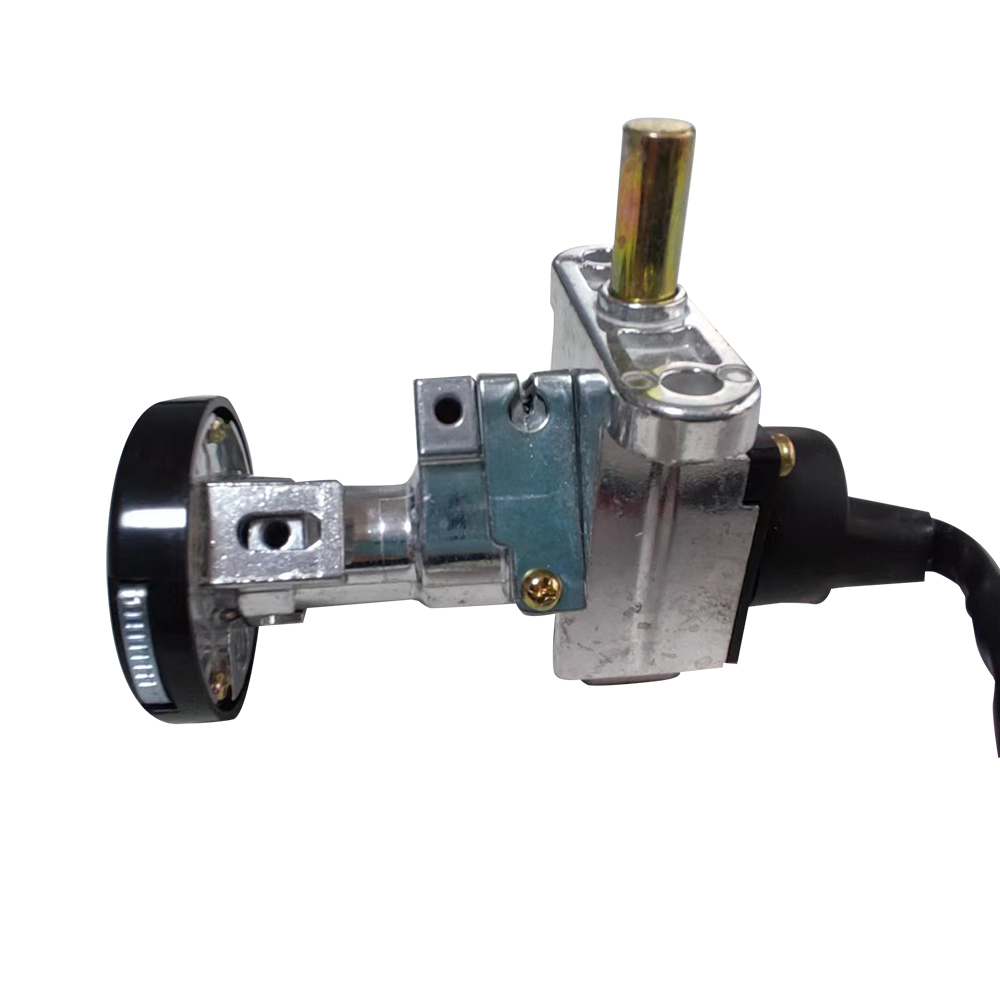
When you need to replace or upgrade a motorcycle part, you may see two common choices: OEM motorcycle parts and aftermarket motorcycle parts. Both can help repair or improve a motorcycle. However, they are made and sold in different ways.
Understanding the difference between OEM and aftermarket motorcycle parts can help you choose the right option for your bike, riding needs, and budget. In this guide, we explain how OEM and aftermarket parts compare in terms of fit, quality, price, design, and use.
What Are OEM Motorcycle Parts?
OEM stands for Original Equipment Manufacturer. OEM motorcycle parts are made by the motorcycle manufacturer or by a supplier approved by the manufacturer. These parts are designed for specific motorcycle models.
Because OEM parts follow the original design, they usually match the size, shape, and specifications of the original part. Therefore, they are often a simple choice when you want to replace a damaged or worn part with a similar one.
For example, if a motorcycle needs a replacement brake component, body part, electrical part, or engine component, an OEM motorcycle part is designed to match the original equipment.
OEM parts are often sold through motorcycle dealers, authorized distributors, and other approved sales channels.
What Are Aftermarket Motorcycle Parts?
Aftermarket motorcycle parts are made by companies other than the original motorcycle manufacturer. These companies design parts for one or more motorcycle models.
The aftermarket motorcycle parts market includes a wide range of products. Some parts are made as direct replacements, while others are designed to change the motorcycle's look, performance, comfort, or function.
For example, aftermarket parts may include exhaust systems, brake parts, motorcycle lights, mirrors, levers, body panels, air filters, suspension parts, and other accessories.
As a result, aftermarket motorcycle parts give riders more choices. However, the quality, fit, materials, and price can vary between manufacturers.
OEM vs Aftermarket Motorcycle Parts: Key Differences
The main difference between OEM and aftermarket motorcycle parts is who makes them and how they are designed.
OEM parts are made to follow the original motorcycle manufacturer's specifications. Aftermarket parts are developed by independent manufacturers and may follow the original design or offer a different design.
Here are several key differences:
FeatureOEM Motorcycle PartsAftermarket Motorcycle PartsManufacturerOriginal manufacturer or approved supplierIndependent manufacturerDesignBased on original specificationsOriginal replacement or modified designFitUsually designed for a specific modelDepends on the product and manufacturerPriceOften higherOften available at different price levelsProduct ChoiceMore limitedUsually widerCustomizationLimitedMany options availablePerformanceGenerally matches original designMay offer different performance characteristicsAvailabilityOften through dealers and approved sellersAvailable through many retailers and suppliers
These differences do not mean that one type is always better. Instead, each type can suit different needs.
OEM Motorcycle Parts and Fit
Fit is one of the main reasons riders choose OEM motorcycle parts. Since the part is made for a specific motorcycle model, it is designed around the original equipment.
This can make installation easier. In many cases, the replacement part can be installed without changing other components.
However, riders should still check the motorcycle model, year, engine type, and part number before ordering. Even motorcycles from the same brand may use different parts.
Therefore, checking compatibility is important whether you choose OEM or aftermarket motorcycle parts.
Aftermarket Motorcycle Parts and Compatibility
Aftermarket parts can also provide a good fit, but compatibility depends on the product and manufacturer.
Some aftermarket motorcycle parts are made as direct replacements. Others are designed to fit several motorcycle models. Performance parts may also require additional changes before installation.
For this reason, always check the product specifications before buying. Look at the listed motorcycle models, dimensions, mounting points, materials, and installation requirements.
A low price is not useful if the part does not fit your motorcycle correctly.
OEM vs Aftermarket Motorcycle Parts: Price Comparison
Price is another major difference between OEM and aftermarket motorcycle parts.
OEM parts can cost more because they are produced according to the original manufacturer's specifications and are often sold through official distribution channels. For some repairs, however, riders may prefer to pay more for an original replacement.
Aftermarket parts are available at a wider range of prices. Some focus on basic replacement, while others use upgraded materials or special designs. Therefore, aftermarket parts can provide more options for different budgets.
Still, price should not be the only factor. You should also consider material quality, fit, product life, warranty, and the supplier's reputation.
OEM Motorcycle Parts for Original Replacement
OEM parts are often suitable when your main goal is to restore the motorcycle to its original condition.
For example, OEM motorcycle parts may be useful when:
- You want the original design and specifications.
- You want a direct replacement for a damaged part.
- You prefer parts supplied through an authorized channel.
- You are repairing a newer motorcycle.
- You want to keep the motorcycle close to its original setup.
As a result, OEM parts can be a practical choice for standard repairs and replacements.
Aftermarket Motorcycle Parts for More Choices
Aftermarket motorcycle parts offer more variety. Riders can choose parts based on price, design, materials, function, and riding style.
For example, an aftermarket supplier may offer several designs for the same type of motorcycle accessory. One product may focus on weight reduction, while another may focus on durability or appearance.
This flexibility is useful for riders who want to customize their motorcycles.
However, because the aftermarket market includes many manufacturers, product quality can differ. It is important to choose a reliable supplier and check product information carefully.
OEM vs Aftermarket Parts for Motorcycle Performance
Performance is another area where OEM and aftermarket parts can differ.
OEM parts are normally designed to maintain the motorcycle's original operating setup. Therefore, they are often suitable when you do not want to change the bike's standard performance.
On the other hand, some aftermarket motorcycle parts are designed to change certain performance characteristics. Examples include exhaust systems, air intake parts, suspension components, and braking upgrades.
However, changing one component can affect other parts of the motorcycle. So, performance upgrades should be selected based on the complete motorcycle system rather than one part alone.
How to Choose OEM or Aftermarket Motorcycle Parts
The right choice depends on your needs. Before buying a motorcycle part, consider several factors.
Check Motorcycle Compatibility
First, confirm the motorcycle brand, model, production year, engine size, and part number when available. This helps reduce the risk of ordering the wrong component.
Compare Material and Build Quality
Next, check the materials and manufacturing details. A good motorcycle part should be suitable for its intended use and riding conditions.
Consider Your Budget
If cost is important, compare several options. Aftermarket motorcycle parts can provide more price choices, while OEM parts may have a higher purchase price.
Check Warranty and Support
Warranty terms can also differ between suppliers. Before buying, check what the warranty covers and how replacement or support is handled.
Look at Supplier Reputation
Finally, choose a supplier with clear product information and a reliable track record. Reviews, certifications, product specifications, and customer support can all help you make a more informed choice.
OEM vs Aftermarket Motorcycle Parts: Which Should You Choose?
There is no single choice that works for every motorcycle owner.
OEM motorcycle parts can be suitable when you want an original replacement with specifications close to the factory setup. Meanwhile, aftermarket motorcycle parts can be useful when you want more product choices, different designs, or a wider range of prices.
Therefore, the best approach is to compare the part's fit, quality, price, function, warranty, and intended use before making a purchase.
Whether you choose OEM or aftermarket motorcycle parts, correct compatibility and reliable product quality should come first. By checking these factors carefully, you can find motorcycle parts that match your bike and riding needs.


